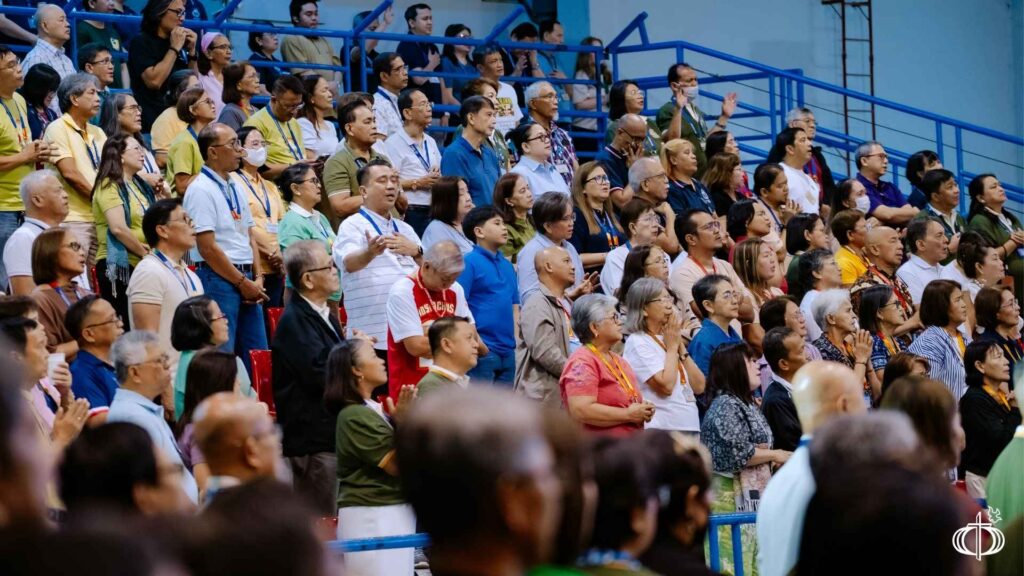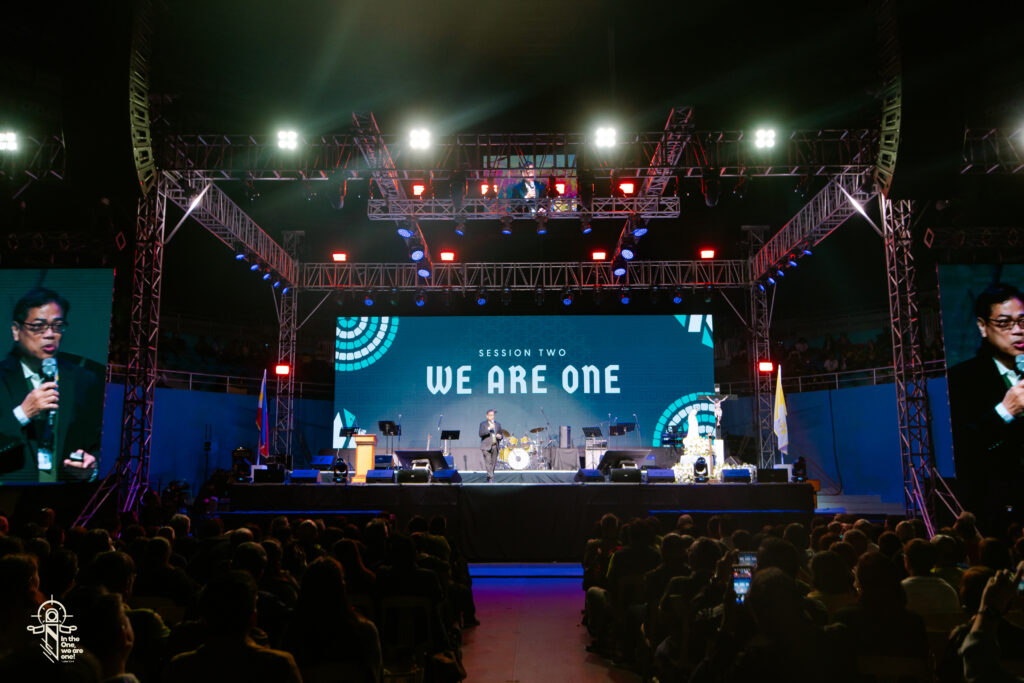
The halls of SMX Convention Center in SM Aura felt unusually alive on the morning of October 26, 2025. What gathered there was not just a crowd of professionals, educators, parents, students, and Church workers, but a community drawn by a common question: What does Catholic social teaching look like in a world shaped by algorithms, automation, and artificial intelligence?
The day opened with the Eucharistic celebration presided over by Rev. Fr. Joel Jason, who reminded us that while technology evolves faster than any of us can fully grasp, the dignity of the human person does not—and never will.
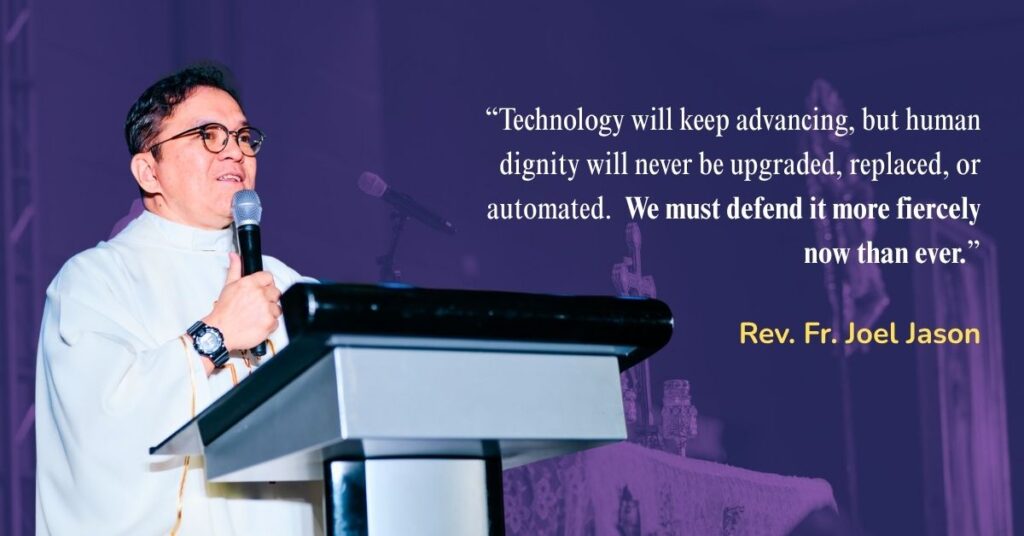
“Technology will keep advancing, but human dignity will never be upgraded, replaced, or automated,” he said. “We must defend it more fiercely now than ever.”
From that moment, the tone was set. This was not a conference about resisting the future, but about entering it faithfully. After Mass, the audience shifted into learning mode.
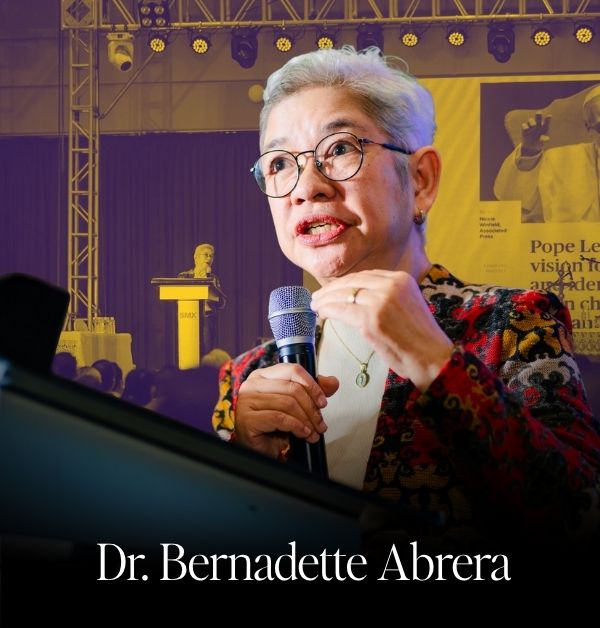
Dr. Bernadette Abrera opened the day’s discussions by reminding us that Catholic Social Teaching began not as a reaction to technology, but as a response to dehumanization. From the factories of the Industrial Revolution to the networks of the digital age, she said, the question has always been the same: What happens to the human person when systems scale, speed up, and dominate the way we live?
It wasn’t a speech about digital tools. It was a reminder that the Church never begins with fear—it begins with truth.
Multiple perspectives
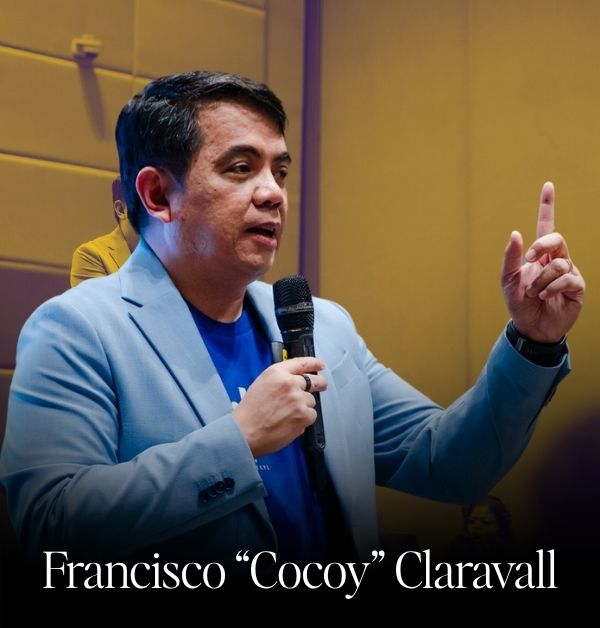
By mid-morning, the conference shifted to simultaneous breakout sessions. In the session for the business track entitled “Click and Connect: A Guide for Family Enterprises”, Francisco “Cocoy” Claravall spoke to the challenge of running family enterprises in a world where reputation is now indexed, reviewed, and screenshotted.
“Digital presence is not just marketing,” he said, “it is moral visibility.” He also emphasized that families in business should treat technology not merely as a tool for profit, but a bridge for legacy and shared stewardship. “Technology should not replace relationships in the family business—it should strengthen them.”
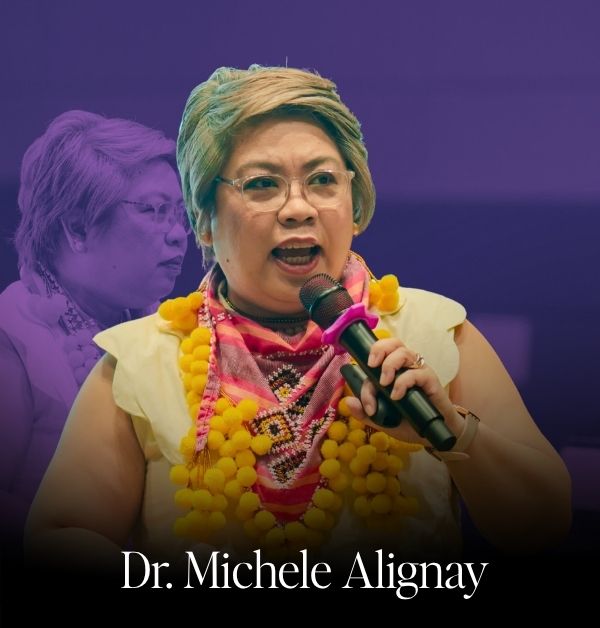
In the next room, Dr. Michele Alignay spoke to parents and educators about raising children shaped not only by homes and schools, but by screens that compete for their emotions, attention, and beliefs. In her session entitled “Parenting in the Age of Digital Media: Balancing Technology with Heart”, she reminded how connection was not the same as closeness, because a child can be online for hours and still feel alone.
Dr. Alignay also spoke about anchoring parenting not in fear of technology but in presence and discernment. “The real danger is not the screen—it is when the screen replaces connection.” She further urged parents to lead with empathy, not control.
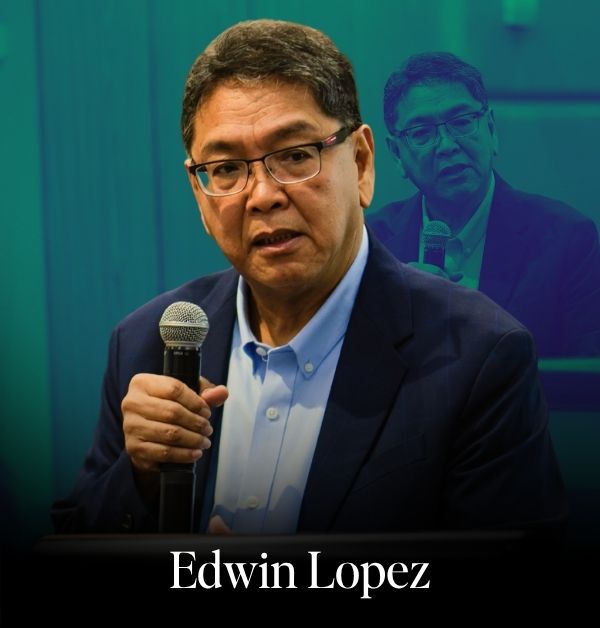
There was a noticeable shift in tone as the education session turned the focus toward classrooms transformed by artificial intelligence. In his session entitled “From Chalkboards to Chatbots: The Aesthetic Evolution of Learning with AI”, Edwin Lopez emphasized that while AI can give answers, it cannot form conscience, character, or wisdom.
“Only educators can form judgment,” he said, inspiring educators in the room to embrace AI as a partner in learning and not a threat. “AI will not replace teachers—but teachers who use AI will replace those who do not,” which drew a collective nod from the audience.
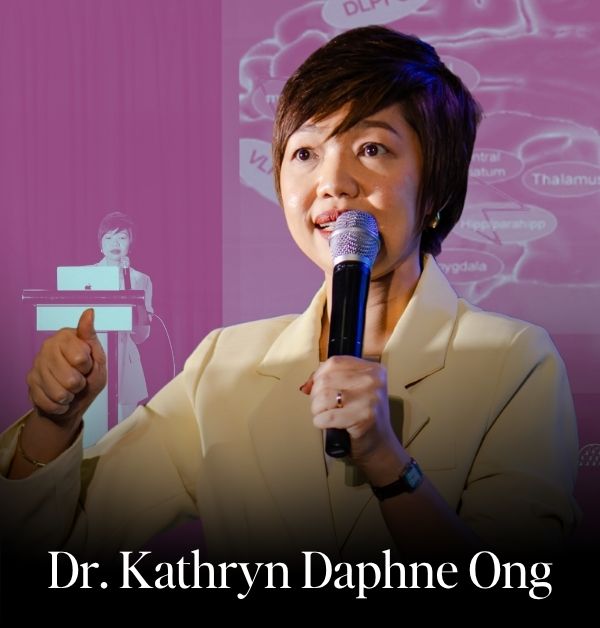
The session on mental health, entitled “Reclaiming Peace: A Pastoral Approach to Digital Overload and Mental Strain”, offered an entirely different kind of clarity. Dr. Kathryn Daphne Ong spoke to the audience about the hidden burdens of digital living: overstimulation, comparison, and exhaustion masked as productivity. She said, “Rest is not a reward. Rest is a right rooted in human dignity.”
Dr. Ong also highlighted the importance of silence and sanctuary, as well as the theology of rest in a digital world. “You cannot pour out from what has already been emptied by exhaustion,” she said, reminding everyone that care begins with compassion toward themselves.
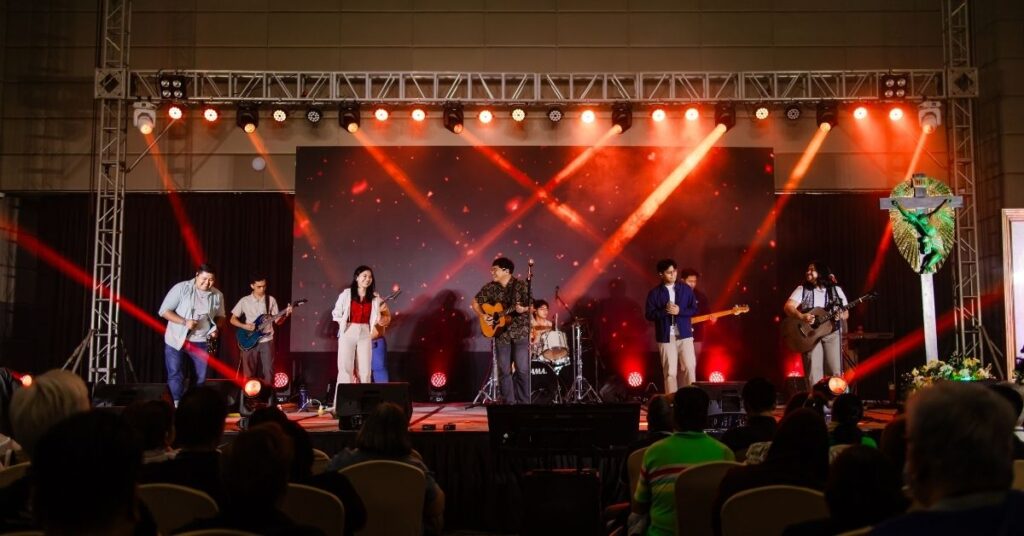
The formal tone of the morning gave way to worship in the afternoon, led by Liveloud. It was no longer a conference hall, but a prayer space filled with music, raised voices, and hearts lifted in praise. It felt like a moment where everything discussed no longer needed words. Only response.
When the worship faded into the quiet, the plenary began—and Rev. Fr. Joel O. Jason did not start with crisis, but with comfort.
Plenary
“My brothers and sisters,” he said, “the world may be noisy, fast, and fragmented—but the Gospel has never been afraid of any age in history.” Not the industrial age in 1891 when Rerum Novarum was written, and not the digital age we now live in. Jesus spoke of hope not as fleeting optimism nor as denial of struggle—but as something anchored in a truth deeper than circumstance. “Hope is not a mood,” he said. “Hope is a virtue. And like an anchor, it does not prevent the waves. It keeps the boat from drifting away.”
Then he brought us to the heart of the conference theme from Hebrews 6:19: “We have this hope as an anchor for the soul, firm and secure.” He reminded us that hope is not abstract. It is Christ Himself, unchanging in a world that changes every day.
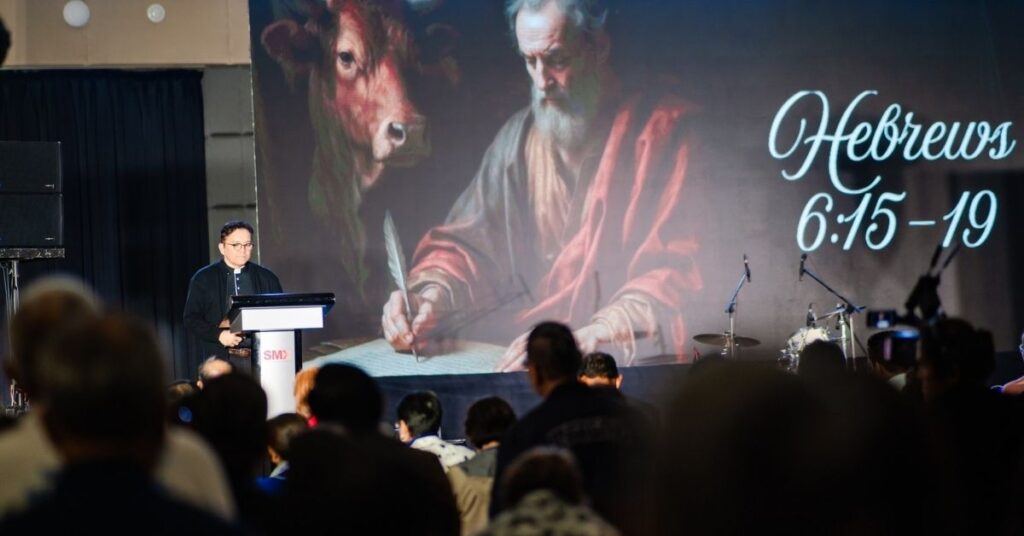
Fr. Jason drew a line from the past to the present: once, the Church defended workers against machines; today, it must defend the human person against a new kind of dehumanization—one that turns lives into data, identities into profiles, and stories into content.
“Rerum Novarum stood for the worker,” he said. “Today, the Church must stand for the person in every click, every screen, and every system where dignity is at risk.”
And yet, Fr. Jason did not condemn technology. He redeemed it. “If the early Church used parchment, and St. Paul used letters, and missionaries used ships, then we too must use the tools of our time—not to entertain, but to evangelize. Not to gain followers, but to lead them.”
Then came the line that held the room still: “Hope is not escaping the world. Hope is entering the world with Christ as our center.”
It did not feel like a lecture, nor even a keynote, but a call to remember who we are in a world that keeps trying to redefine us. He spoke not of fear, but of foundation.
And as the day drew toward its close, his final words gathered everything we had heard and lived: “In every age, our anchor remains the same: Christ our Hope. Faith sends us forth, hope keeps us steady, and love makes the journey worth giving.”
It was not the kind of message you simply write down—it was the kind you carry.
Synthesis
Dr. Bernadette Abrera offered a powerful synthesis—weaving the conference in one. She affirmed that Catholic social teaching will never be obsolete because it defends what no technology can recreate: the soul, conscience, and dignity of the human person.
“Technology is changing the world, but we are not called to escape it. We are called to humanize it.”
By late afternoon, the event deepened with a Closing Liturgy and Send-Off Rite. Fr. Joel Jason commissioned the conference attendees: “Go, and use every platform—digital or otherwise—to proclaim the dignity of every human person.” The call was to return to our families, parishes, institutions, and newsfeeds as people who are not just informed, but formed.
When the day ended and the doors opened back out into the mall, the contrast felt sharp. Screens were still everywhere: advertising, scrolling, glowing in mallgoers’ hands—but they somehow felt different. Not smaller, not weaker. Redefined.
The question I carried out with me was not of ‘How do we live with technology?’ Rather, ‘how do we stay deeply human while using it?’
And perhaps that is why the conference was called “Anchored in Hope”. Because hope is not merely optimism, and it is never passive. It is something we hold, despite the speed of the world, because we are held by something greater than the world.
We did not leave with answers to everything. But we left with anchors—faith, dignity, mission, and a Church still speaking, still teaching, still believing that the future is not something to fear, but something to shape.
Credits:
Written by Ara J. De Vero | Edited by Angeli Arellano | Photos by Digital Missions Team | Graphics and Layout by Jay Lucena